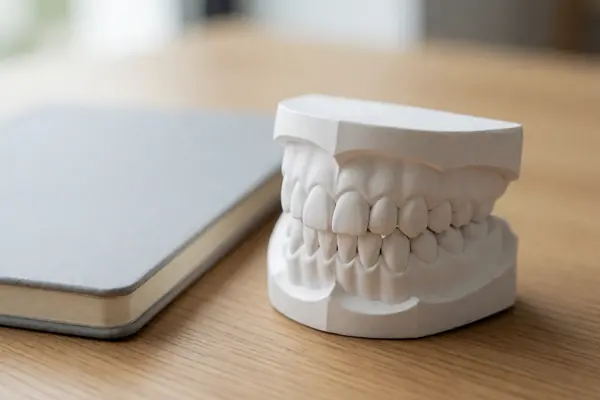
MILK TEETH
Twenty, by about 2 to 3
Most babies start teething at around 6 months, front teeth first. The NHS says most children have all their milk teeth by 2 to 3 years.
Meet the four kinds
A TIMELINE OF TEETH
20 + 32 two sets of teeth
AI-generated image, not a photograph of a real person or place.
Teeth arrive in two sets, years apart.
Milk teeth usually start at about 6 months and are all in by around 2 to 3 years. Adult teeth begin at about 6 years, and the wisdom teeth, last of all, usually come in the late teens or 20s, sometimes later or not at all.
THE SHORT ANSWER
Ages are averages from NHS and dental charity guides.
Every child's timing is a little different.
MILK TEETH
Most babies start teething at around 6 months, front teeth first. The NHS says most children have all their milk teeth by 2 to 3 years.
Meet the four kindsADULT TEETH
The first adult teeth are the first molars, which come in behind the milk teeth at about 6 and replace none of them.
See the orderWISDOM TEETH
The NHS says wisdom teeth usually start coming through in your teens or early 20s. The Oral Health Foundation notes some people never get them.
See the numbersGeneral information only, not medical advice. For advice about your own health, speak to a doctor, pharmacist or other qualified health professional.
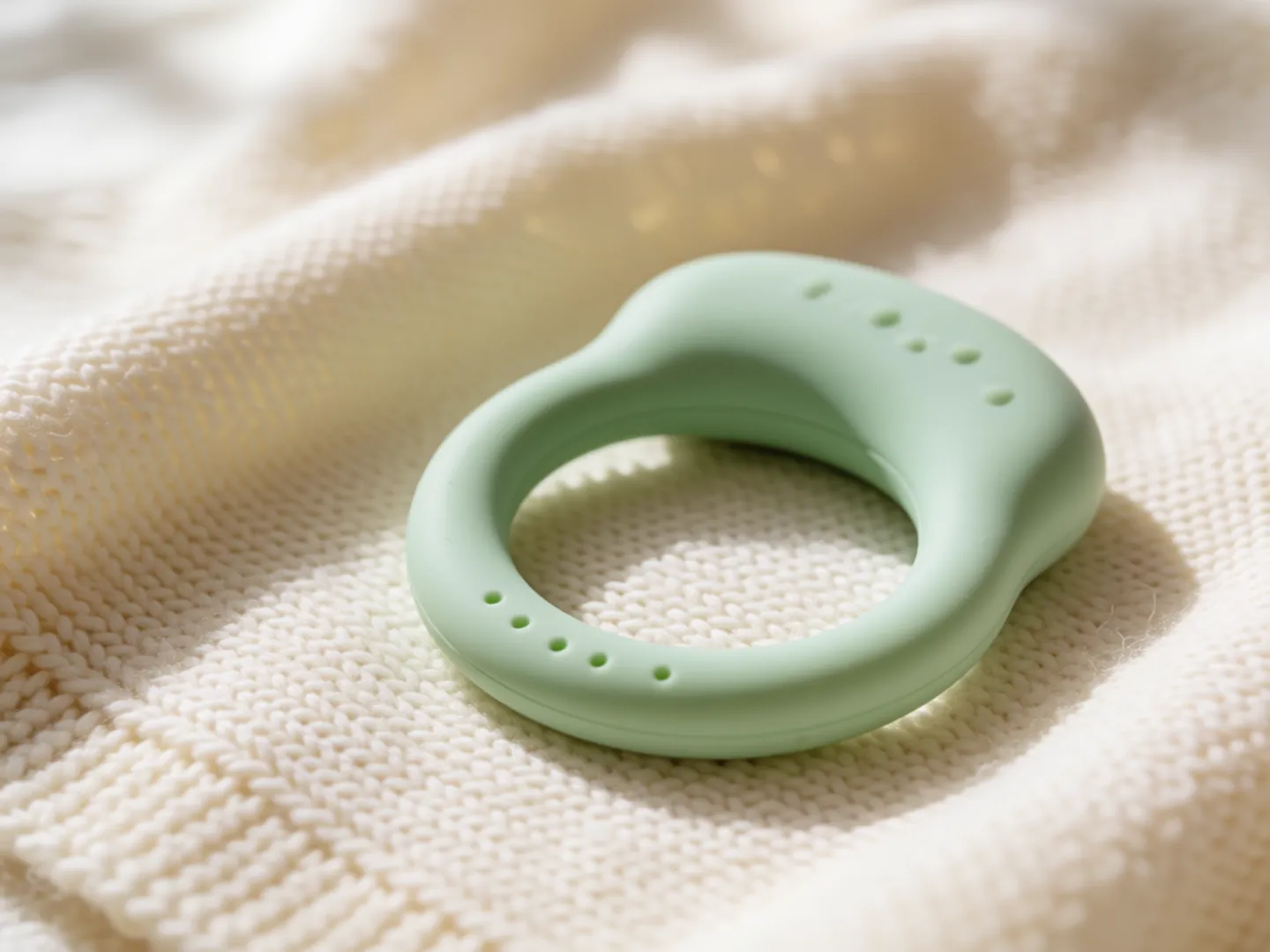
THE USUAL ORDER
The NHS and the Oral Health Foundation give the same rough order for milk teeth. Adult teeth follow their own sequence, starting at the back.
Central incisors, then the lateral incisors either side. Bottom teeth often come before the matching top ones.
First milk molars at around 12 months, canines at around 18 months and second milk molars at around 24 months.
First adult molars at about 6, then incisors, canines and premolars as milk teeth fall out, and second molars at about 12.
Wisdom teeth, the third molars, usually arrive last, if they come at all.
TWO NUMBERS WORTH KNOWING
One number for each set of teeth,
from the anatomy notes dental students use.
20 teeth
Teeth in the primary set
Ten in each jaw: in each quarter of the mouth two incisors, one canine and two molars. They begin to erupt at about 6 months of age.
MILK TEETH · TEACHMEANATOMY
32 teeth
Teeth in the permanent set
Sixteen in each jaw: two incisors, a canine, two premolars and three molars per quarter. They start at about 6 and are complete by about 13, apart from wisdom teeth.
ADULT TEETH · TEACHMEANATOMY
Timings are rough guides. The NHS says some babies start teething before 4 months and some after 12 months, and a few are born with a tooth.
THE FOUR KINDS OF TEETH
Pick a kind of tooth to see what it is for and when it usually arrives. The bar shows how many of that kind a full adult set has.
Based on anatomy teaching notes and the Oral Health Foundation's eruption guide. General information only, not dental advice.
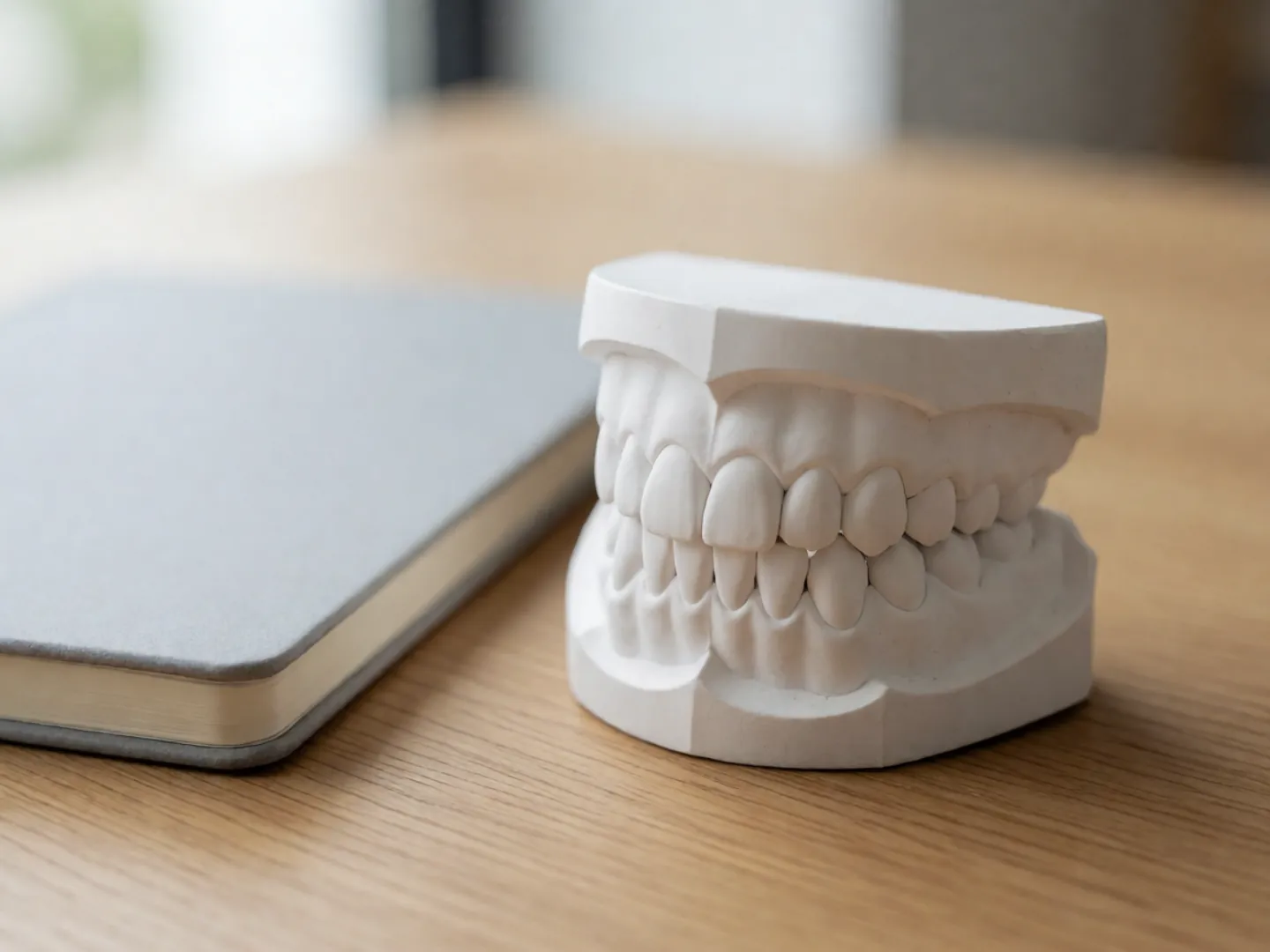
INSIDE A TOOTH
The crown of a tooth is covered in enamel, a hard, highly mineralised tissue that protects the living parts inside. The root is covered by a different tissue called cementum.
Beneath both lies dentine, a living tissue with nerves that makes up most of the tooth. At the centre, the pulp holds the tooth's nerves and blood vessels.
In conversation
Twenty: in each jaw two central incisors, two lateral incisors, two canines and four molars. The Oral Health Foundation says most children have them all by around 2½ years; the NHS says by 2 to 3 years.
The NHS says most babies start at around 6 months, but some start before 4 months and others after 12 months, and some are even born with a tooth.
The first molars, at about 6 years. The Oral Health Foundation notes that they come in behind the milk teeth and do not replace any of them.
The NHS says they usually start coming through in the teens or early 20s. The Oral Health Foundation gives 18 to 25 as usual, sometimes later or not at all.
NHS guidance says to start brushing as soon as the first milk tooth breaks through and to take a child to the dentist when milk teeth appear, or before their first birthday.
Each figure on this page comes from the sources below.
ABOUT THIS NAME
tapteeth.com is part of the DoodleSale portfolio. It isn't in an auction right now, but you can ask about leasing it.